
Meta's Autonomous Ad Agents: AI Now Runs Your Facebook Campaigns End-to-End
Meta has introduced autonomous AI agents for ad campaigns on Ads Manager and WhatsApp Business, eliminating the need for human intervention in tasks like targeting, creative design, bidding, and optimisation. This marks one of the biggest shifts in paid social automation, making professional-grade campaign management accessible to small businesses.
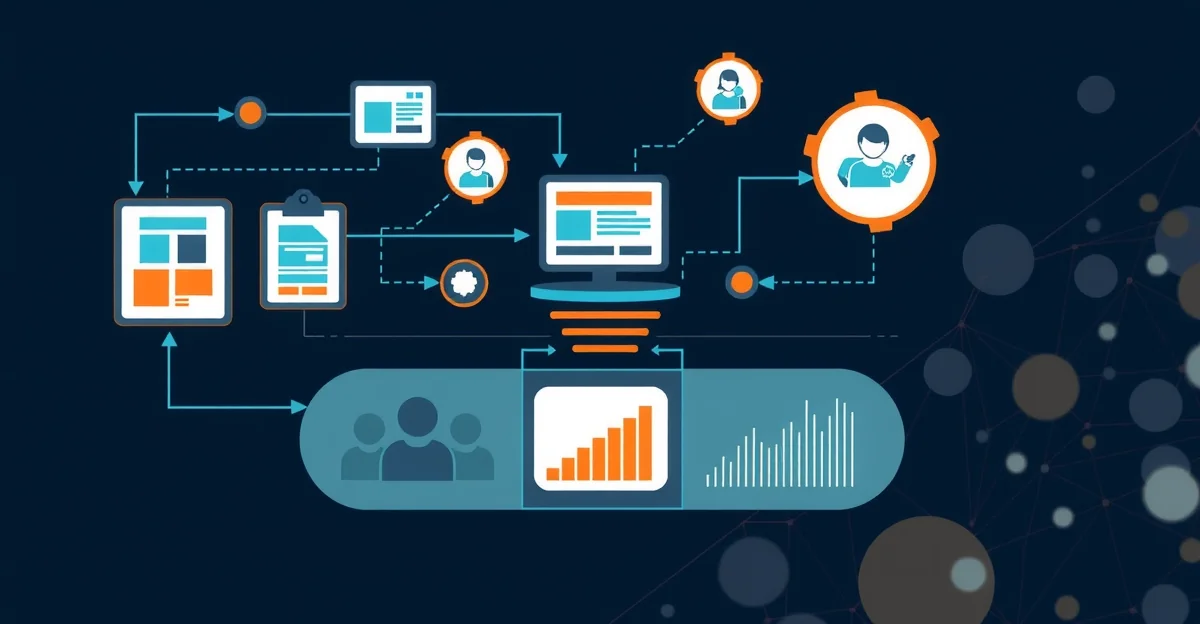
Running Facebook and Instagram ads used to take real skill — knowing how to structure a campaign, build audiences, test creatives, read the data, and adjust bids based on performance. Most small business owners either learned the hard way (often after spending money on ads that didn't work) or paid someone else to manage it. Meta has just made that whole process significantly simpler, and it's worth understanding what's changed.
What Meta Has Launched
Meta has introduced AI agents that can run advertising campaigns completely on their own, operating within Ads Manager and WhatsApp Business without requiring ongoing human input. The agent handles the full campaign lifecycle: setting up targeting audiences, generating or selecting creative assets, placing bids, monitoring performance, and optimising the campaign as results come in.
This isn't just "suggested settings" or an automated bidding toggle — it's a genuine shift to agentic operation, where the AI is making ongoing decisions and taking actions rather than waiting for you to approve each step.
What the AI Actually Controls
When running in autonomous mode, Meta's ad agents can:
- Build and refine audience targeting based on your business type, location, past campaign data, and current signals about who is engaging with similar businesses.
- Generate ad creative — copy, images, and formats — or select from existing assets and test variations automatically.
- Manage bidding and budget pacing in real time, adjusting spend based on which audiences and creatives are converting.
- Optimise for your goal — whether that's website traffic, lead form submissions, online purchases, or WhatsApp enquiries — without you needing to manually adjust the campaign mid-flight.
The Catch: You Still Set the Direction
Autonomous doesn't mean set-and-forget entirely. You still define the objective (what you want the campaign to achieve), the budget (how much you're willing to spend), and the offer or message you want to promote. The AI handles execution from there.
What this changes is the amount of time and expertise required to manage a campaign on an ongoing basis. Previously, getting a solid result from Meta ads required either daily check-ins to manage performance or a specialist managing it for you. Autonomous agents compress that ongoing management work significantly.
What This Means for Sunshine Coast Businesses
For local businesses — whether you're a café in Noosa, a trade in Caloundra, a wellness practitioner on the Coast, or a retail shop in Maroochydore — Facebook and Instagram ads have always been one of the most direct ways to reach local customers. The barrier was usually time and expertise, not willingness.
That barrier is getting lower. If you've tried Facebook ads before and found the learning curve frustrating, or if you've been paying an agency to manage modest budgets that don't justify the management fee, now is a good time to take another look at what Meta's native tools can do.
A few practical notes as you explore this:
Start with a clear goal. Autonomous AI is only as useful as the objective you give it. "Get more enquiries from locals within 20km" is a clear brief. "Grow my business" is not.
Set a firm budget ceiling. Autonomous campaigns can spend quickly once they find what's working. Set a daily budget you're comfortable with while you're still learning how the system behaves.
Watch the creative. AI-generated ad copy and imagery can be serviceable, but it may not always reflect your brand voice. Review what the AI produces and override it when it doesn't feel right for your business.
AI-run ads are not a magic button — you still need a good product, a reasonable offer, and a clear message. But for the execution layer of running a campaign, the tools are now substantially better than they were even six months ago.